Good health is not built in one day. It comes from the small choices we make every day. The food we eat the way we sleep how much we move and how we handle stress all have an effect on our health. A healthy lifestyle does not mean following a strict routine or giving up everything we enjoy. It means finding simple habits that support the body and mind over time.
Many people think that becoming healthier requires major changes. In reality small changes can make a meaningful difference. Drinking more water can be a good start. Taking a short walk each day can help. Going to bed at a regular time can also improve how you feel. When these simple habits become part of daily life they can create a strong foundation for better health.
Health also looks different for everyone. Age activity level work schedule personal goals and existing health needs can all affect what works best. The goal should not be perfection. The goal should be consistency and balance.
Build a Healthy Lifestyle With Simple Daily Habits
A healthy lifestyle begins with habits that are realistic enough to maintain. It is easy to create a long list of health goals at the beginning of a new year. The challenge is continuing those habits after the initial motivation fades.
Start with one or two changes. For example you could drink water when you wake up. You could add a few minutes of walking to your day. You could also aim to eat one extra serving of vegetables. Once these actions become comfortable you can add another healthy habit.
Your daily routine can have a major influence on your health. Try to keep regular meal times and sleep times when possible. Make time for movement even on busy days. Take short breaks if you spend many hours sitting.
It is also useful to pay attention to how your body feels. Feeling tired all the time can be a sign that you need more sleep or better nutrition. Constant stress may mean that you need more time for rest. Listening to your body can help you make better choices.
Remember that healthy habits do not need to be complicated. A routine that you can follow consistently is usually more useful than an ideal routine that is difficult to maintain.
Eat Nutritious Foods for Better Health
Food provides the energy and nutrients your body needs every day. A balanced diet can support normal body functions and help you stay active. It can also make it easier to maintain a healthy weight.
Try to include a variety of foods in your meals. Vegetables and fruits can provide important vitamins minerals and fiber. Whole grains can be a useful source of carbohydrates and fiber. Foods such as eggs fish beans lentils nuts and seeds can provide protein and zavalio com.
You do not have to completely avoid foods that you enjoy. Instead focus on balance. Eating nutritious foods most of the time allows room for occasional treats without making you feel guilty.
Portion size can also matter. Eating slowly can help you notice when you are becoming full. Try to avoid eating while constantly distracted by your phone or television. Paying attention to your meal can make eating more enjoyable and mindful.
Water is another important part of nutrition. Your fluid needs can change based on weather activity and individual factors. Keeping water available during the day can make it easier to stay hydrated.
A healthy diet should also be enjoyable. If your meals are boring you may find it difficult to maintain healthy eating habits. Experiment with different vegetables herbs spices and cooking methods to keep meals interesting.
Make Regular Physical Activity Part of Your Routine
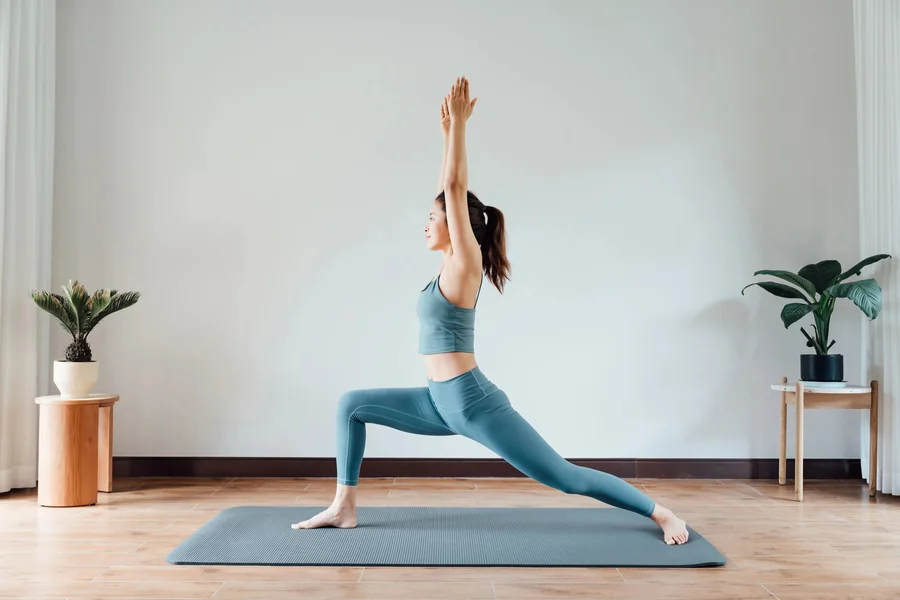
Movement is an important part of a healthy lifestyle. Regular physical activity can support heart health muscle strength flexibility and overall fitness. It can also help improve mood and energy.
You do not need an expensive gym membership to become more active. Walking is a simple option for many people. Cycling swimming dancing and home exercises can also provide useful movement.
The most important thing is finding an activity you enjoy. If you like walking with a friend you are more likely to continue. If you enjoy music you might prefer dancing. If you like being outdoors you may enjoy hiking or cycling.
Try to avoid sitting for very long periods. If your work requires you to sit at a desk take short movement breaks when possible. Stand up stretch or walk around for a few minutes.
Strength training can also be useful. Basic exercises such as squats wall push-ups and bodyweight movements can help build strength. Beginners should start slowly and focus on good technique.
You should also give your body time to recover. Rest is part of fitness. Doing too much too quickly can increase the chance of injury and make exercise feel exhausting rather than enjoyable.
Give Sleep and Rest the Attention They Deserve
Sleep is sometimes treated as something we can sacrifice when life becomes busy. However getting enough quality sleep is an important part of overall health.
Adults generally need around seven or more hours of sleep each night. Individual needs can vary. A consistent sleep schedule can make it easier for your body to maintain a regular rhythm.
Try creating a relaxing bedtime routine. Dim the lights and reduce stimulating activities before bed. Keeping your bedroom comfortable and quiet may also help.
Using phones or computers late at night can make it harder for some people to relax. If you notice that screens interfere with your sleep consider putting them aside before bedtime.
Caffeine can also affect sleep. Some people are more sensitive to it than others. If you have trouble sleeping you may want to avoid caffeinated drinks later in the day.
Rest does not only mean sleeping. Your body and mind also need breaks during the day. Taking a few quiet minutes can help you reset when your schedule becomes stressful.
If you regularly struggle with sleep despite making changes it may be worth speaking with a healthcare professional. Ongoing sleep problems can sometimes be connected to an underlying issue.
Protect Your Mental and Emotional Well-Being
Physical health is only one part of being healthy. Mental and emotional well-being also deserve attention. Stress is a normal part of life but constant stress can affect how you feel and function.
One useful approach is to identify the things that regularly cause stress. Some sources of stress may be difficult to change. Others may be reduced by setting boundaries or changing routines.
Simple relaxation activities can help. Deep breathing quiet time gentle stretching reading or spending time outdoors may help you feel calmer.
Social connection is also important. Talking with a trusted friend or family member can make difficult situations feel easier. You do not always need someone to solve your problems. Sometimes being heard is enough.
Make time for activities that bring you joy. Hobbies can provide a healthy break from work and responsibilities. Music art gardening cooking sports and reading are just a few examples.
It is also important to take emotional struggles seriously. Feeling sad worried or overwhelmed from time to time is part of life. But if these feelings continue for a long period or interfere with daily activities professional support can be helpful.
Taking care of your mental health is not a weakness. It is an important part of taking care of yourself.
Prevent Health Problems With Smart Choices
Prevention is an important part of health care. You cannot prevent every illness but regular checkups and healthy habits can help you identify potential problems early.
Follow health screening recommendations that apply to your age and personal situation. Your healthcare professional can help you understand which tests or screenings are appropriate for you.
Dental care is also important. Brushing your teeth regularly and cleaning between your teeth can support oral health. Regular dental visits can help identify problems before they become more serious.
Avoiding tobacco is another important health choice. If you smoke or use tobacco products consider talking with a healthcare professional about ways to quit.
Alcohol can also affect health. If you drink alcohol staying within recommended limits can reduce some health risks. Some people should avoid alcohol completely depending on their circumstances or medications.
Basic hygiene matters too. Washing your hands regularly can help reduce the spread of infections. Safe food preparation and proper food storage can also protect your health.
Pay attention to unusual changes in your body. Persistent pain unexplained weight changes ongoing tiredness or other concerning symptoms should not simply be ignored. A healthcare professional can help determine whether further evaluation is needed.
FAQs About Healthy Lifestyle and Better Health
What is a healthy lifestyle?
A healthy lifestyle is a pattern of habits that supports physical and mental well-being. It can include nutritious eating regular physical activity sufficient sleep stress management social connection and preventive health care.
How can I start living a healthier life?
Start with small changes that fit your current routine. You might begin by drinking more water walking regularly improving your meals or creating a consistent sleep schedule. Once a habit becomes easier you can build on it.
Do I need to exercise every day?
You do not necessarily need structured exercise every day. Regular movement throughout the week is important. Walking household activities sports and planned workouts can all contribute to your activity level.
What foods should I eat for better health?
Aim for a varied diet that includes vegetables fruits whole grains protein-rich foods and healthy sources of fats. The right balance can differ from person to person so individual needs should also be considered.
How much sleep do adults need?
Many adults need at least seven hours of sleep each night. Some people may need more. Sleep quality and regularity are also important.
Can a healthy lifestyle reduce stress?
Healthy habits may help you manage stress. Physical activity adequate sleep nutritious food relaxation and social support can all contribute to better emotional well-being.
Is it okay to eat unhealthy food sometimes?
Yes. A healthy diet does not have to be perfect. Occasional treats can fit into a balanced eating pattern. What matters most is your overall eating habits.
How can I stay motivated to live healthier?
Make your goals simple and realistic. Track your progress if that helps you. Choose activities you enjoy and focus on how healthy habits make you feel rather than expecting immediate results.
Should I talk to a doctor before changing my lifestyle?
Most healthy lifestyle changes are simple but people with certain medical conditions or specific health concerns may need personalized advice. If you have a health condition or take regular medication it is wise to discuss major changes with a healthcare professional.
Final Thought
A healthy lifestyle is not about being perfect. It is about making better choices most of the time and giving yourself room to adjust when life does not go according to plan.
Start small. Eat nourishing foods. Move your body regularly. Get enough sleep. Make time for your mental well-being and stay connected with people who support you. Pay attention to your health and seek professional advice when something does not feel right.
The best routine is one that fits your life and that you can continue for years. You do not need to change everything at once.