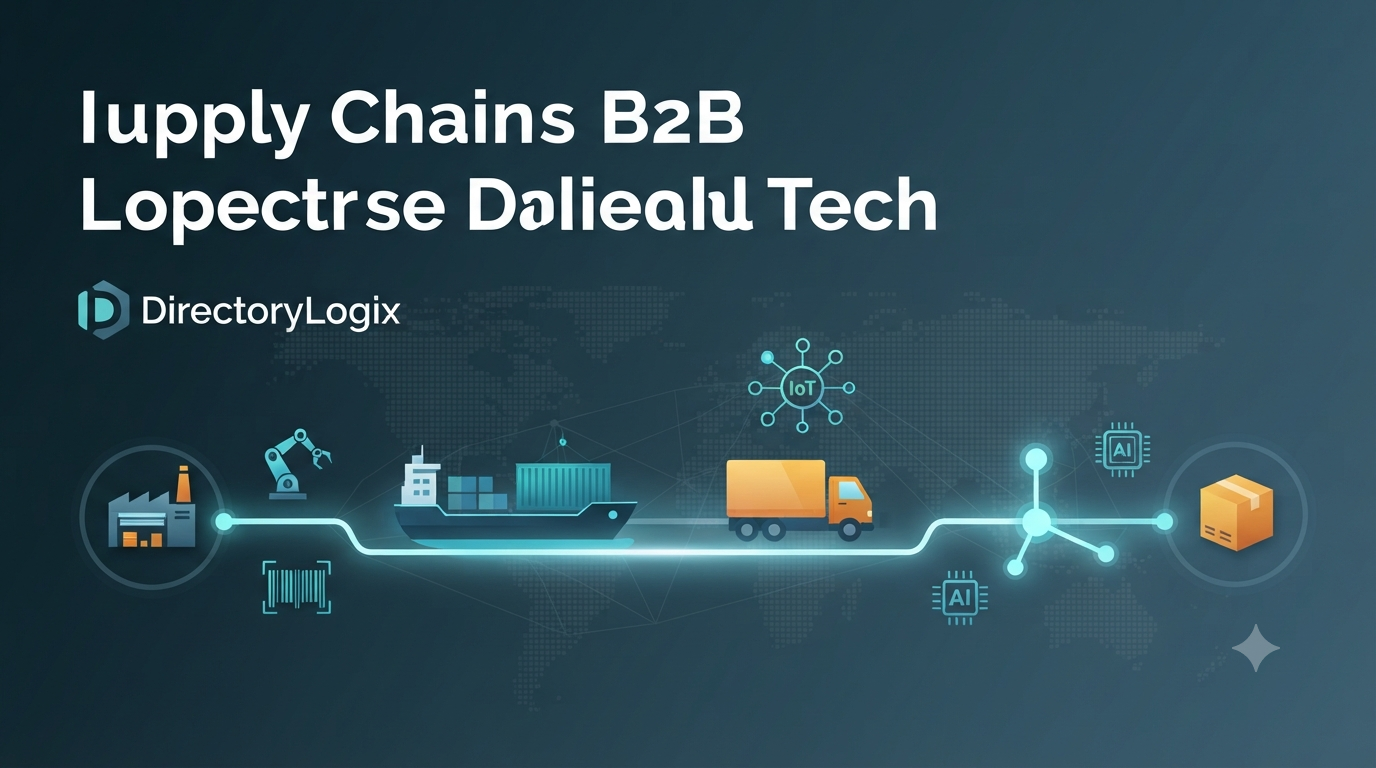
Supply chains used to run quietly in the background. Products moved from factories to warehouses to store shelves, and most people never thought about the journey. That has changed. After years of shortages, shipping delays, and unpredictable demand, businesses everywhere are rethinking how goods flow across the world. The biggest driver of that change is technology, and the pace of progress right now is remarkable.
Today’s supply chains are becoming smarter, faster, and far more transparent than they were even a few years ago. Companies are no longer satisfied with knowing where a shipment was last week. They want to know where it is right now, when it will arrive, and what to do if something goes wrong. New tools are making that level of clarity possible, and the results are reshaping entire industries.
The Shift From Reactive to Predictive
For decades, most supply chains operated in a reactive way. A problem appeared, and teams scrambled to fix it. A supplier missed a deadline, a container got stuck at port, or demand spiked without warning. Businesses absorbed the damage and hoped the next quarter would be smoother.
That approach is fading fast. Modern systems now use data to anticipate trouble before it happens. By studying patterns in sales, weather, traffic, and supplier behavior, companies can spot warning signs early. A retailer might notice that a certain product tends to sell out during specific weeks and adjust orders in advance. A manufacturer might reroute materials before a storm shuts down a shipping lane.
Data as the New Fuel
Every step in a supply chain now produces information. Sensors track temperature inside refrigerated trucks. Scanners record each time a box changes hands. GPS units report the exact location of vehicles. On its own, this data is just noise. When combined and analyzed, it becomes a powerful guide for smarter decisions.
The companies pulling ahead are the ones that treat data as a core asset rather than an afterthought. They invest in clean, connected systems that let information flow freely between departments and partners.
Artificial Intelligence Takes the Wheel
Few technologies have shaped supply chains more in recent years than artificial intelligence. AI now handles tasks that once required entire teams. It forecasts demand, plans delivery routes, and flags unusual activity that might signal fraud or error.
What makes AI so valuable is its ability to learn. The more data it processes, the better its predictions become. A system that struggled to guess demand last year may now hit the mark with impressive accuracy. This constant improvement gives businesses a real edge, especially in fast-moving markets where a single wrong guess can be costly.
Smarter Warehouses
Warehouses have become one of the most visible places where technology is making a difference. Robots move goods across floors, sort packages, and restock shelves without pausing. Automated systems decide the best spot to store each item so it can be retrieved quickly later.
Human workers still play a vital role, but their jobs are shifting. Instead of walking miles each day, many now oversee machines, manage exceptions, and focus on tasks that require judgment. The result is a workplace that is faster, safer, and more efficient.
Real-Time Visibility Changes Everything
Perhaps the most requested feature in modern logistics is visibility. Businesses and customers alike want to know exactly where things are at all times. This demand has pushed companies to build systems that track shipments from start to finish.
When a delay appears, teams can act immediately. They can inform customers, reroute deliveries, or adjust production schedules. This kind of transparency builds trust and reduces the frustration that comes from unexpected surprises. It also helps companies find weak points in their networks and fix them before they cause bigger problems.
Resources such as DirectoryLogix.com have highlighted how this growing focus on transparency is influencing the way modern businesses connect, compare, and choose their logistics partners.
Building Chains That Bend Without Breaking
The disruptions of recent years taught a hard lesson. A supply chain that runs perfectly under normal conditions can collapse the moment something unexpected happens. Because of this, resilience has become a top priority.
Companies are spreading their risk by working with multiple suppliers instead of relying on a single source. Many are moving production closer to home to shorten distances and reduce exposure to global shocks. Technology supports these efforts by mapping every link in the chain and showing exactly where hidden risks lie.
Flexibility Over Perfection
The goal is no longer a chain that is flawless in ideal conditions. Instead, businesses want one that bends without breaking when trouble arrives. Digital models allow teams to test different scenarios and see how their networks would respond to a factory closure, a port strike, or a sudden jump in demand. Armed with these insights, they can prepare backup plans long before they are needed.
Sustainability Moves to the Center
Another force reshaping supply chains is the growing push for sustainability. Customers, investors, and regulators are all asking businesses to reduce waste and cut emissions. Meeting these expectations without hurting performance is a real challenge, and technology is helping close the gap.
Smarter route planning reduces fuel use. Better forecasting cuts down on overproduction and unsold goods. Detailed tracking lets companies prove where materials come from and confirm that suppliers meet ethical standards. What was once a nice goal has become a practical requirement, and the tools now exist to make it achievable.
What Comes Next
The transformation is far from over. As systems grow more connected, supply chains will continue to shift toward greater automation and intelligence. Decisions that once took days may soon happen in seconds. Partners across the globe will share information more openly, creating networks that respond as one.
Businesses that embrace these changes will be better prepared for whatever comes next. Those that wait risk falling behind competitors who move faster and adapt sooner. The message is clear. Technology is no longer a support tool sitting on the sidelines. It has become the engine driving how goods move around the world.
The supply chains of the future will be defined not by size or speed alone, but by how smartly they use the information at their fingertips. For companies ready to invest and adapt, the opportunities have never been greater.